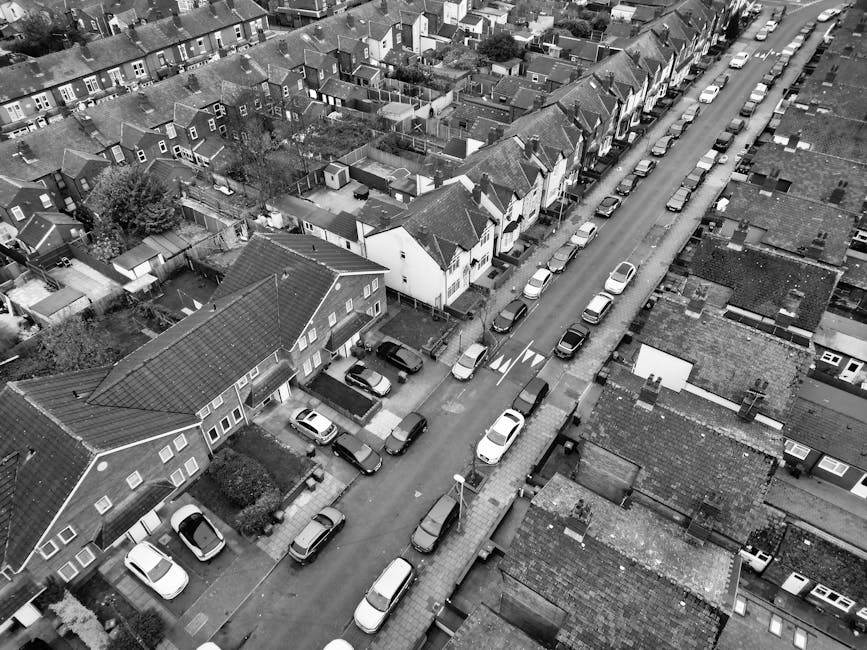
Stockwell Park Estate flat removals narrow access guide
If you are moving out of, or into, a flat on Stockwell Park Estate, the big challenge is rarely the boxes. It is the narrow access. Tight stairwells, awkward corners, resident parking, lift limits, and the occasional "where on earth do we turn this sofa?" moment can make a simple move feel strangely complicated. This Stockwell Park Estate flat removals narrow access guide walks you through the practical side of planning a move in a way that actually works in real life, not just on paper.
Whether you are booking a full team or comparing a flat removals service against a smaller van-based option, the aim is the same: fewer delays, less stress, and no damage to walls, doors, or your back. Let's make the process feel manageable.
One thing people often underestimate is how quickly narrow access can snowball into delays. A sofa that won't clear the banister. A wardrobe that looked fine in the hallway but suddenly seems to have grown two inches. A parking bay that's technically "nearby" but not actually near enough when you're carrying a chest of drawers. It happens.
Table of Contents
- Why narrow-access planning matters on Stockwell Park Estate
- How narrow-access removals are handled
- Key benefits and practical advantages
- Who this is for and when it makes sense
- Step-by-step guidance
- Expert tips for better results
- Common mistakes to avoid
- Tools, resources and recommendations
- Law, compliance, standards, and best practice
- Options, methods, and comparison table
- Case study or real-world example
- Practical checklist
- Conclusion
- Frequently asked questions
Why Stockwell Park Estate flat removals narrow access guide Matters
Narrow access changes everything about a flat move. On Stockwell Park Estate, that usually means more than just "the road is a bit tight". You may be dealing with stair-only access, shared corridors, limited loading space, controlled parking, or a route from van to front door that is much longer than it first appeared. If you ignore those details, the move can become slow, noisy, and a bit chaotic. Truth be told, that is how avoidable damage starts.
Good planning matters because the estate environment affects timing, lifting, and vehicle choice. Even a well-run team can lose momentum if the property details are vague. And once a move slips behind schedule, everything gets harder: neighbours get impatient, parking windows close, and heavy items become more awkward to handle. Not ideal.
There is also a comfort factor. Moving day is already mentally busy. If you know the access plan in advance, you can focus on packing, keys, final checks, and all the small things people forget until the last minute, like bin bags, meter readings, or the tea bags you will definitely want later. Little things, but they help.
If you want a wider sense of how local moves are approached, the main removal services page gives a useful overview of what a professional team can handle, from standard flats to more awkward properties.
How Stockwell Park Estate flat removals narrow access guide Works
The process is really about matching the move plan to the property, not forcing the property to fit the plan. A narrow-access flat removal usually begins with a quick assessment of access points: stairs, door widths, corridor turns, lift size if there is one, van parking distance, and the handling route inside the building. That is the sort of practical detail that decides whether the day feels smooth or slightly feral.
From there, the moving plan should decide three things:
- What can be moved whole and what should be dismantled first.
- What vehicle is suitable, especially if a large removal truck is too awkward for the estate layout.
- How the load sequence should work, so the heaviest or most difficult items are not left until the end.
In some cases, smaller vehicles or a man-and-van style approach makes more sense than a bigger truck. In others, the right answer is not "smaller van" but "better timing, better parking, and proper dismantling". The point is to reduce friction wherever it exists. You will notice the difference almost immediately on moving day.
It also helps to think in layers. There is the street access, then the building access, then the flat access. Each layer can fail separately. A van can park fine, yet the stairwell may be too tight for a mattress. Or the flat door may be narrow enough that a sofa has to be rotated upright. That sort of thing sounds obvious until you are standing there with the item halfway through the doorway and no elegant plan B.
Key Benefits and Practical Advantages
When narrow access is planned properly, the benefits are more practical than flashy, which is exactly what you want on moving day.
- Less risk of damage: Careful routing reduces scuffs to walls, banisters, door frames, and furniture edges.
- Faster loading and unloading: The team spends less time improvising and more time moving.
- Safer lifting: Smaller turns and shorter carry distances reduce strain and awkward handling.
- Better cost control: Fewer delays usually means less wasted labour time.
- Less neighbour disruption: A tidy, organised move tends to be quieter and less frustrating for everyone else in the building.
There is also a confidence benefit that people rarely mention. When your access plan is sound, the whole day feels calmer. You are not second-guessing every doorway or worrying that the next item won't fit. That calm is worth a lot, honestly.
For readers comparing broader moving solutions, it may also help to look at man with van arrangements if your move is smaller, or the more flexible man and van approach if you need a practical balance between cost and manoeuvrability.
Who This Is For and When It Makes Sense
This guide is for anyone moving a flat on Stockwell Park Estate where access is not straightforward. That includes:
- people on upper floors with stair-only access
- tenants moving bulky furniture in and out of compact flats
- owners moving larger household items through shared spaces
- students or first-time movers with limited experience
- households with sofas, beds, wardrobes, white goods, or fragile items
- anyone trying to keep the move quick because of parking limits or building rules
It also makes sense if you are comparing services and trying to decide whether you need a full crew, packing support, or just transport. If the access is awkward but the volume is modest, a smaller and more nimble service can be the right fit. If the flat has multiple large pieces and several flights of stairs, a more comprehensive plan is usually the safer call.
To be fair, some moves are only "narrow access" in one or two places. That can still be enough to slow things down. A door frame that is just slightly too tight is all it takes. And then everyone is stood there measuring with their eyes, which never feels very scientific.
Step-by-Step Guidance
Here is the practical way to plan a narrow-access flat move without turning it into a saga.
1. Measure the awkward points first
Start with door widths, hallway bends, stair width, ceiling height on landings, and the dimensions of anything bulky. Measure the items and the route. Do not guess. Guessing is how you end up with a sofa that "should definitely fit" until it doesn't.
2. Identify what must be dismantled
Bed frames, some wardrobes, shelving, and large tables often move better when broken down. Keep the fixings in labelled bags and tape them to the item or place them in one clearly marked box. Future you will be grateful.
3. Check parking and loading conditions
Work out where the vehicle can stop, how close it can get to the entrance, and whether there are any restrictions. If the carry distance is long, factor that into the schedule. A "short walk" with a sofa is not really short at all.
4. Protect the property and the items
Use floor protection, furniture blankets, corner guards, and door padding where needed. This matters more in tight spaces because the margin for error is tiny. One scuff can happen in a second.
5. Load in a sensible order
Heavy and awkward items should usually go on first, with lighter boxes used to fill gaps. This keeps the load stable and reduces reshuffling later. It sounds simple, but a good loading order saves real time.
6. Keep communication clear on the day
Point out obstacles as they come up. If there is a tight turn, a low ceiling, or a neighbour's bike in the hallway, say so before the team starts wrestling with the item. A quick heads-up helps more than people think.
7. Leave a bit of breathing room
If you can, avoid scheduling your move too tightly around key handover times. Narrow access moves often take longer than standard flat removals. Not always, but often enough that it is worth planning for.
Expert Tips for Better Results
The best narrow-access moves tend to share a few habits. Nothing dramatic. Just disciplined, unglamorous preparation.
- Walk the route before moving day. Open every possible door. Check the tight corners. Notice anything that swings inward and steals space.
- Use the right item shapes. Long, rigid furniture is usually harder to turn than compact, modular pieces.
- Pack by priority. Put essentials in one clearly marked bag so you are not searching for chargers, documents, or kettle supplies later.
- Keep corridors clear. It sounds basic, but one stray bag on a landing can slow the whole chain of movement.
- Ask about dismantling early. Some pieces are easy to take apart; others are not. Better to know before the van arrives.
Here is a small but useful one: if something is borderline too large, do not wait until it is at the doorway to decide what to do. Decide earlier. Mid-lift improvisation is where people get frustrated and, occasionally, slightly theatrical about it.
Another practical tip is to think about the weather. A wet day in London means slippery pavements, damp packaging, and furniture that is harder to grip cleanly. Nothing impossible, just slower and a bit more fiddly. A towel or extra cover can help more than you might expect.
For packing support, some customers find it useful to combine moving with packing and unpacking services, especially if they are short on time or dealing with a lot of fragile household items.
Common Mistakes to Avoid
Most moving problems on narrow-access flats are not mysterious. They are predictable, which is almost annoying, because that means they are avoidable.
- Underestimating furniture size. "It was fine coming in" does not always mean it will leave easily.
- Forgetting stairwell turns. Measuring the stair width alone is not enough.
- Leaving dismantling until the last minute. This can turn a tidy move into a rushed one.
- Choosing the wrong vehicle size. Too big can be awkward; too small can mean multiple trips.
- Not telling the movers about restrictions. If there is controlled access, limited parking, or a lift booking window, say so early.
- Packing heavy boxes too full. In tight spaces, heavy and overpacked boxes are harder to carry safely.
One mistake people make is assuming narrow access only affects large items. It affects small items too, because the pace of the entire move slows down. If you are moving twelve boxes through a narrow stairwell, each extra second adds up. That is just how it goes.
Tools, Resources and Recommendations
You do not need specialist equipment for every move, but a few practical tools make a big difference.
| Tool or resource | Why it helps | Best used for |
|---|---|---|
| Measuring tape | Checks item and route dimensions properly | Sofas, wardrobes, mattresses, appliances |
| Furniture blankets | Protects surfaces in tight spaces | Doorways, stairs, van loading |
| Door protectors / corner guards | Reduces scuffs on contact points | Narrow hallways and landings |
| Labels and marker pens | Keeps dismantled parts and boxes organised | Hardware, room sorting, fragile items |
| Strong tape and tie-wraps | Helps secure loose parts | Flat-pack furniture and cables |
| Box trolley or sack truck | Speeds up repeated carries where space allows | Boxes, books, small appliances |
If you are looking at vehicle options, a dedicated removal van can be a practical middle ground for smaller flat moves with awkward access. For larger loads, a moving truck may still be suitable, but only if parking and loading space make sense. Bigger is not automatically better. Sometimes it is just bigger.
For a move that involves getting rid of old furniture before leaving, you may also want to explore furniture removals or furniture pick-up options where that is more practical than trying to move everything twice.
Law, Compliance, Standards, or Best Practice
For flat removals in London, compliance is usually about sensible standards rather than anything overly complicated. In practice, that means safe lifting, responsible vehicle use, proper parking awareness, and respect for shared property spaces. Building rules may also apply, especially in managed estates, so it is wise to check access conditions before moving day.
From a safety perspective, a professional move should follow good manual handling practice: plan the lift, use enough people for heavier items, avoid twisting under load, and use equipment where it reduces risk. If a route is clearly too tight for safe movement, the item should be dismantled or moved another way. Common sense, really, though common sense is not always common on moving day.
Insurance is another sensible point to check. You want to know how accidental damage is handled, what is covered, and whether fragile or high-value items need special attention. A well-run service will be open about this. If you are comparing providers, the information on insurance and safety is the kind of detail worth reviewing before you book.
It is also sensible to understand terms, cancellation conditions, and payment expectations in advance. That way, there are no awkward surprises when the move is already underway. The pages on terms and conditions and payment and security can help you get a clearer picture of how a service is structured.
Options, Methods, and Comparison Table
There is no single correct method for every Stockwell Park Estate flat move. The right choice depends on furniture size, access limits, timing, and how much help you want on the day.
| Method | Best for | Pros | Trade-offs |
|---|---|---|---|
| Full removal service | Larger flats, more furniture, tighter schedules | More hands, less stress, better for awkward items | Usually costs more than a small-van option |
| Man and van | Smaller flat moves, flexible access, lighter loads | Nimble, practical, often quicker for tight routes | May need more customer involvement |
| Removal truck | High-volume moves where parking allows | Can move a lot at once | Can be awkward in restricted or narrow areas |
| Partial dismantling approach | Bulky furniture that will not pass through intact | Often the best fix for awkward access | Requires planning and time |
If you are unsure where you fit, think about the heaviest item first. If that one item is a problem, the rest of the move probably needs a narrow-access plan too. That is usually the quickest way to decide.
For customers who need broader residential moving support, it can help to compare with home moves or the more comprehensive house removals pages, especially if the flat move is part of a bigger relocation later in the year.
Case Study or Real-World Example
Picture a typical London flat move on a weekday morning. The property is on an upper floor, the stairwell is narrow, and the sofa is technically light enough but annoyingly long. The van can park nearby, though not right outside. The tenant has packed well, but the bed frame still needs dismantling. Nothing unusual, just a fairly normal urban moving day with a few extra corners to negotiate.
In that situation, the move goes best when the route is checked early, the long furniture is measured before anyone starts lifting, and the bigger pieces are dismantled before the clock starts running. The team can then carry boxes first, protect the stair edges, and move the sofa on its side with controlled rotation rather than brute force. That last bit matters more than people realise.
The difference between a smooth and a stressful day is often not the size of the job. It is the preparation. A few small decisions made the day before can save an hour of back-and-forth on the day itself. And yes, sometimes the best move is simply to stop, measure again, and take the less dramatic option.
A similar kind of planning is often useful for short-notice jobs too. If your schedule is tight, reading about same-day removals can help you understand what is realistic when time is limited.
Practical Checklist
Use this before moving day. It is simple, but it catches a lot of the avoidable problems.
- Measure all large furniture and the narrowest points in the route.
- Check stair width, landings, turns, and doorway clearance.
- Confirm parking or loading access close to the building.
- Decide which items must be dismantled before the move.
- Label hardware, cables, and room-specific boxes clearly.
- Protect walls, floors, and furniture edges with suitable coverings.
- Tell the movers about lifts, access codes, entry times, and restrictions.
- Set aside essentials you will need immediately after arrival.
- Review insurance, payment, and terms before booking.
- Keep a backup plan for weather, delays, or unexpected access issues.
That checklist sounds straightforward because it is. Still, it is the sort of straightforward that saves time. And on moving day, time is often the thing you feel slipping away first.
Conclusion
Stockwell Park Estate flat removals narrow access planning is really about making a difficult space work in a calm, practical way. When you measure properly, choose the right vehicle, dismantle what needs dismantling, and protect the route, the whole move becomes more predictable. Not perfect, maybe, but predictable. And that counts for a lot.
The main thing to remember is this: narrow access is not a disaster, just a planning issue. Handle the access well and the rest of the move becomes much easier to live with. A bit of prep, a bit of realism, and the willingness to adapt on the day-that is usually enough.
Get a free quote today and see how much you can save.
If you would like to compare service options or talk through a tricky flat layout, start with the team's main removals page and work from there. A short conversation now can spare you a lot of hassle later, and frankly that is often the smartest move.
Frequently Asked Questions
What makes Stockwell Park Estate flat removals harder than a standard flat move?
The main issue is access. Tight stairwells, shared entrances, limited parking, and awkward turns can all slow the move and increase the chance of damage if they are not planned for properly.
Do I need to measure furniture before booking a move?
Yes, especially for bulky items like sofas, beds, wardrobes, and white goods. A quick measurement can prevent problems on the day and helps the movers choose the right approach.
Is a man and van suitable for narrow-access flats?
Often yes, particularly for smaller moves or when parking and manoeuvrability are limited. It can be a practical choice if you do not need a full team and the volume is modest.
Should I dismantle furniture before moving day?
If an item is large, awkward, or close to the size limit of the doorway or stairwell, dismantling is usually the safer option. It can save time and reduce the risk of scratches or stuck furniture.
What happens if the van cannot park right outside the building?
The team usually works with the nearest legal and practical loading point available. The carry distance may be longer, so it helps to factor that into timing and effort.
How can I protect walls and banisters during a narrow stair move?
Use furniture blankets, corner protection, and careful handling. Good route planning matters too, because most damage happens where turns are tight or visibility is poor.
Are same-day flat removals possible in a narrow-access property?
Sometimes, yes, but it depends on the amount of furniture, the access conditions, and availability. A short notice move can work, though it usually benefits from very clear information upfront.
What should I tell the removals team before moving day?
Share the floor level, stair access, lift availability, parking restrictions, door codes, large items, and any items that need dismantling. The more accurate the details, the smoother the day tends to go.
Does narrow access always make removals more expensive?
Not always, but it can increase time and labour if the route is slow or complicated. The exact cost depends on the amount of work involved and the service level you choose.
What if my sofa or wardrobe will not fit through the flat door?
In many cases, dismantling, rotating the item differently, or using a different exit route solves the problem. If not, the item may need to be partially taken apart by someone experienced with furniture handling.
How far in advance should I plan a narrow-access flat move?
As early as you can. Even a short move benefits from a quick route check, item measurements, and a clear parking plan. A little lead time makes everything calmer.
Where can I learn more about local moving options and services?
You can review the main pages for flat, home, and specialist moving support, then decide what matches your flat layout and timeline best. That way you are choosing with your eyes open, which is always nicer than guessing.